Understanding ASR vs Embedded TM Integration with EWM in S/4HANA Logistics Systems
Modern logistics environments rely heavily on efficient system integration to maintain smooth warehouse and transportation operations. Within the S/4HANA ecosystem, integration between Extended Warehouse Management and Transportation Management plays a crucial role in ensuring real-time coordination of shipments, warehouse activities, and transportation execution. Organizations implementing advanced logistics solutions must understand the available integration methods to choose the most suitable approach for their operational requirements.
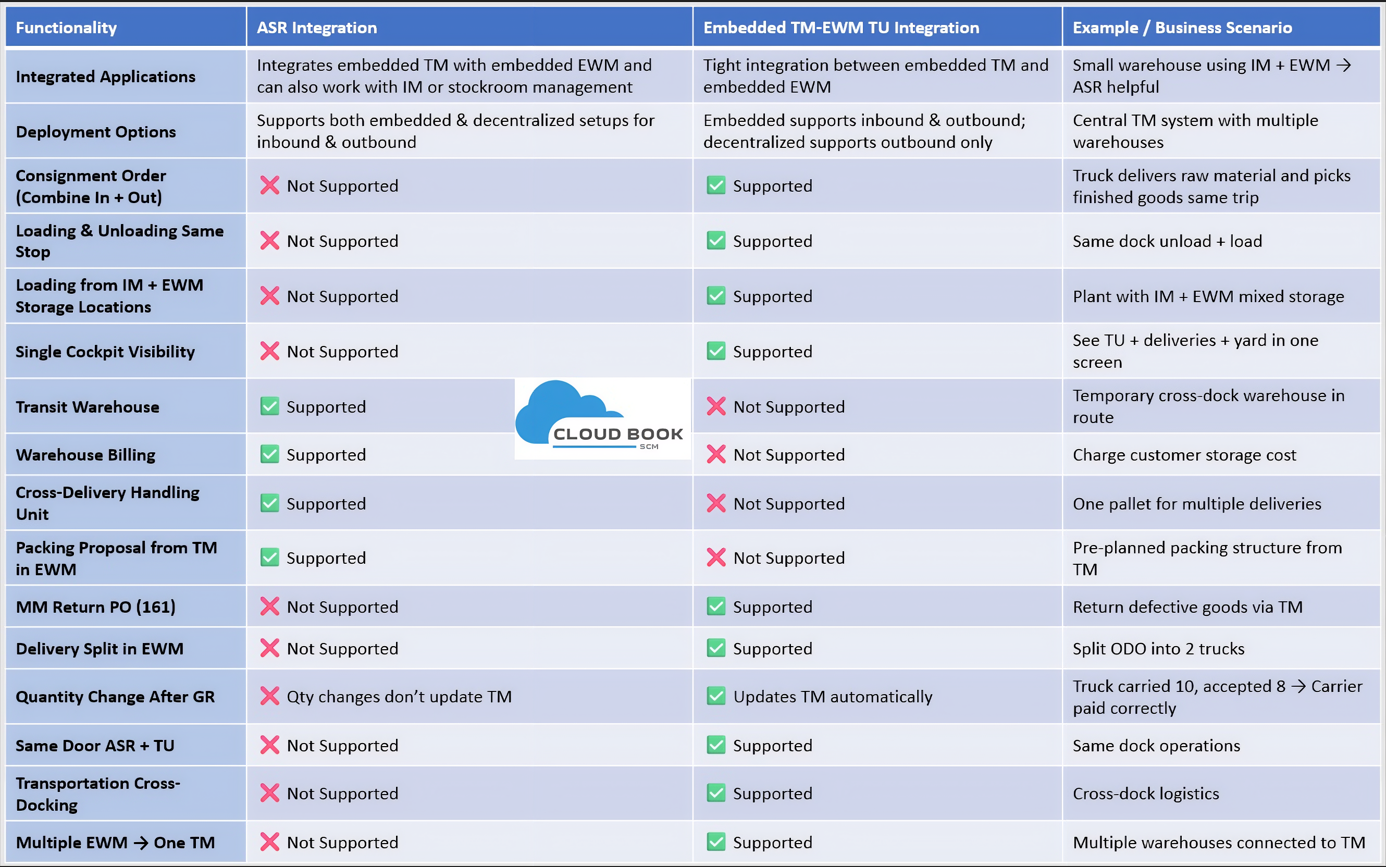
For professionals who are learning these concepts through SAP S/4HANA TM Training, understanding the difference between Advanced Shipping and Receiving and traditional Embedded TM integration becomes essential. The traditional approach relies on LDAP based XML web services where communication occurs through SOAP messages between warehouse and transportation modules. This method has been widely used in older system landscapes and supports scenarios where decentralized transportation systems or legacy environments exist. Although reliable, this architecture can involve complex configurations and sometimes leads to limited real-time synchronization between logistics documents.
Advanced Shipping and Receiving represents the newer integration method designed to streamline communication between warehouse and transportation processes. Instead of depending on separate message exchanges, ASR focuses on synchronized logistics documents within the same system environment. This approach improves system performance, reduces data duplication, and simplifies configuration. It also provides better support for yard management and warehouse service scenarios where real-time transportation visibility is important.
While the traditional LDAP based integration still functions effectively in certain legacy landscapes, many organizations prefer the ASR approach for modern implementations. It offers improved efficiency, simplified architecture, and better operational transparency. As logistics systems continue evolving toward integrated digital environments, understanding these integration models helps professionals design more scalable and efficient warehouse and transportation processes.
Comments
Post a Comment